Construction machinery parts catalog and RFQ support
Construction machinery parts prepared in an industrial workshop
Construction Machinery Parts

Construction machinery parts, backed by a clearer way to match.

YNRSP connects structured product systems, practical parts knowledge and focused RFQ support for international construction machinery parts requirements.

Core product systems

Start with the system. Narrow down with the reference.

Available systems appear here after a qualifying product is public or empty-category display is explicitly allowed.

01Undercarriage parts arranged for product identification

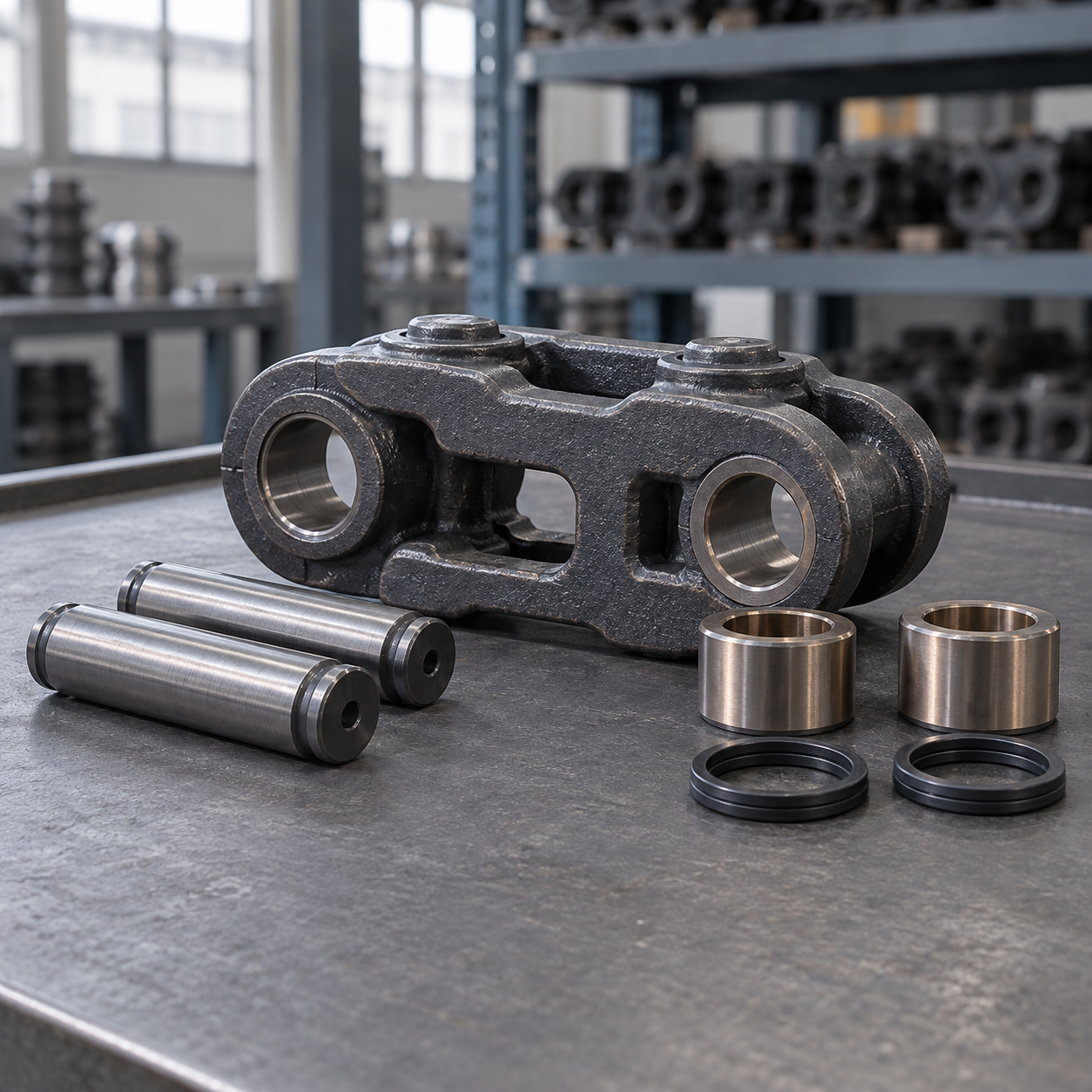
Undercarriage Parts

Track rollers, carrier rollers, idlers, sprockets, track chains and related running gear.

Explore category
02Ground engaging tools and bucket wear parts

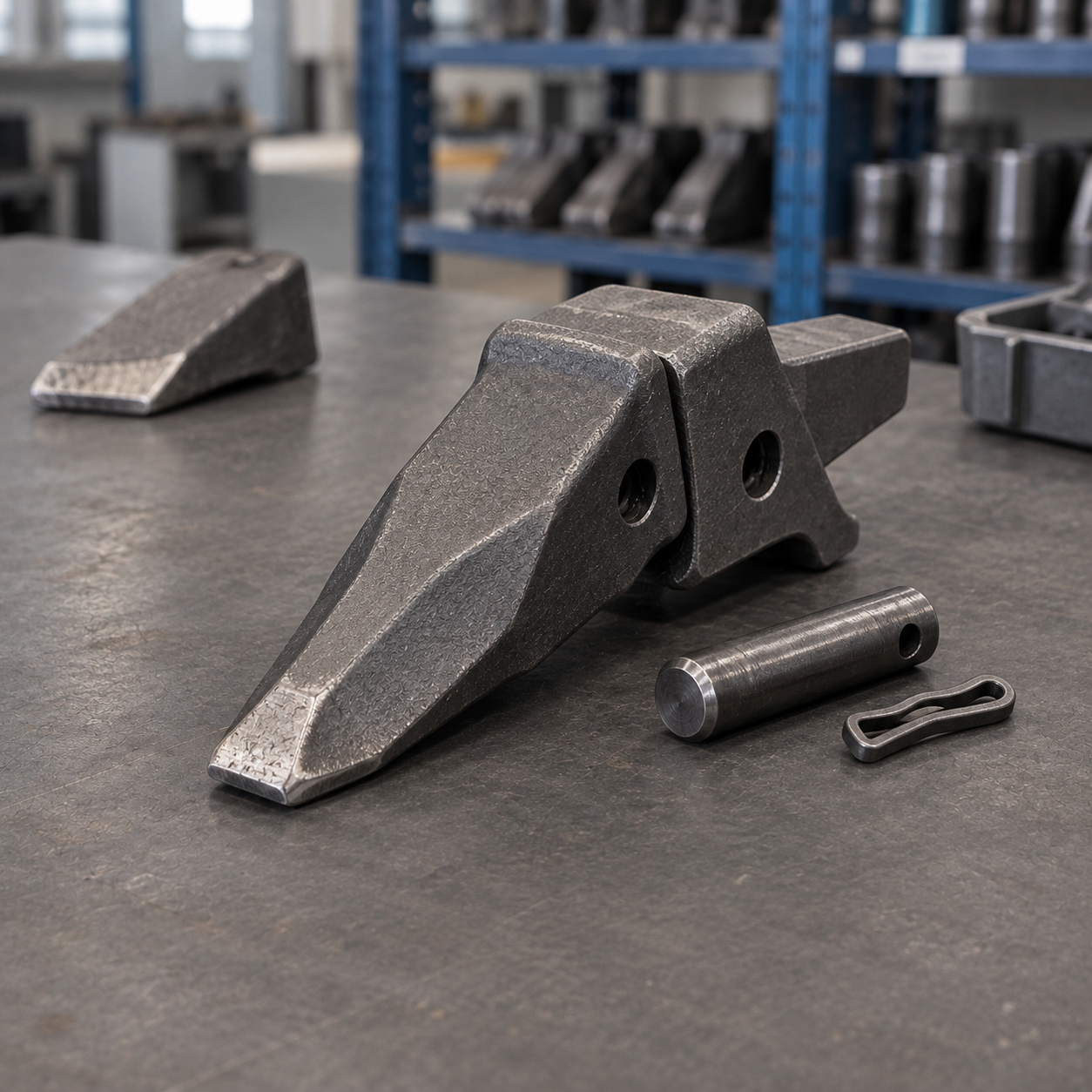
G.E.T.

Bucket teeth, adapters, cutting edges and wear components for demanding applications.

Explore category
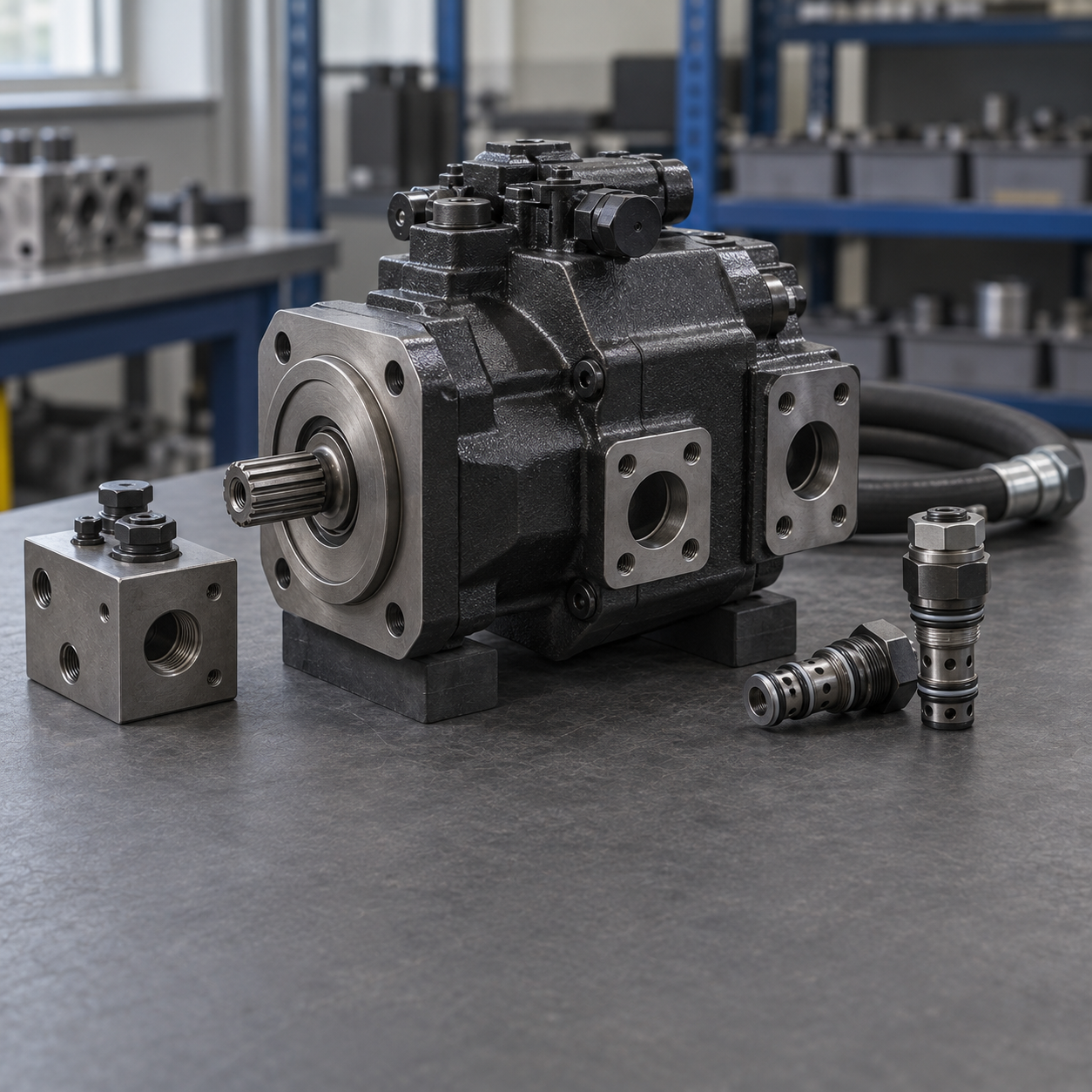
03Hydraulic pump and hydraulic machinery components

Hydraulic Parts

Pumps, motors, cylinders, valves and hydraulic components organized by application.

Explore category
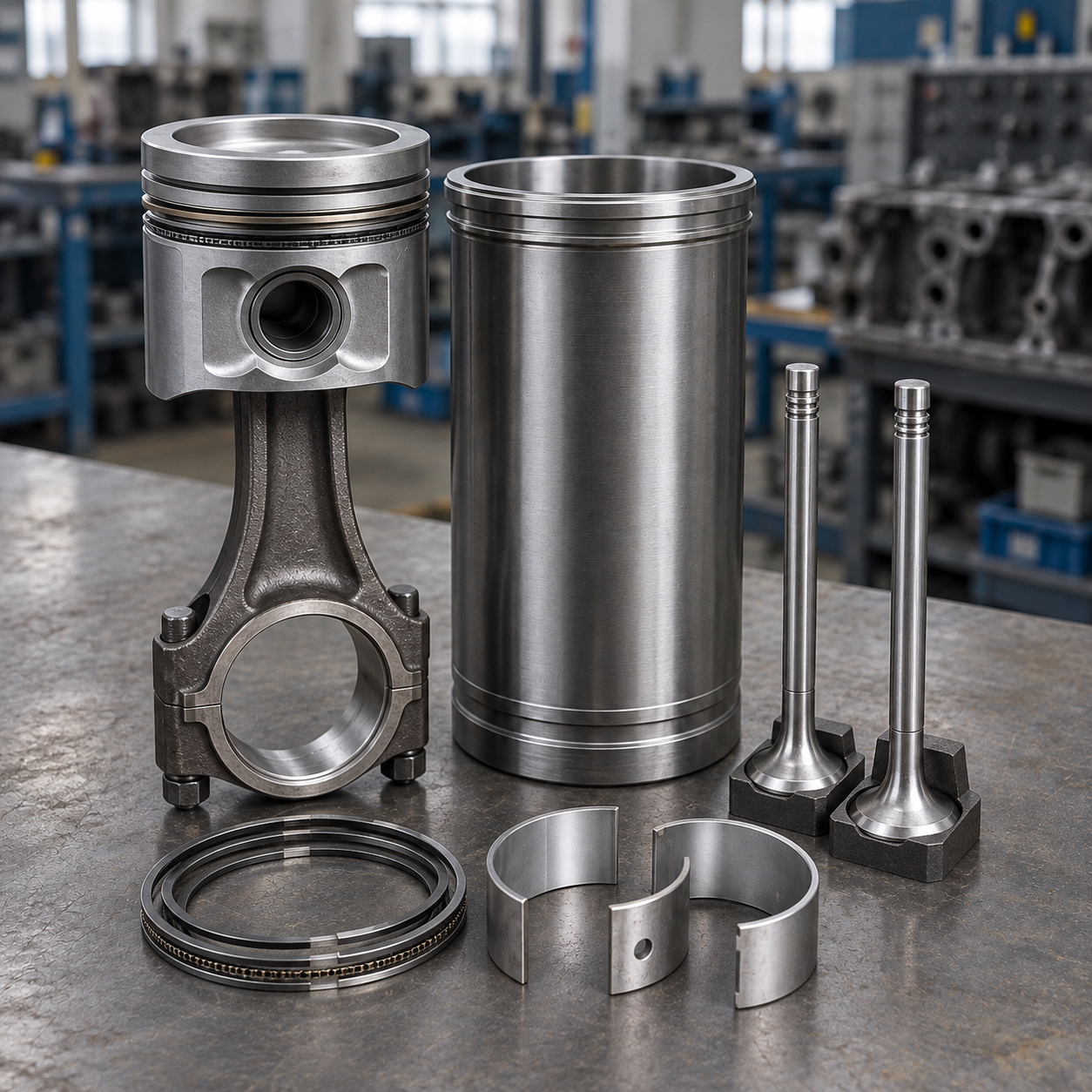
04Construction machinery engine parts and service components

Engine Parts

Core engine components and service items grouped for a clear technical inquiry.

Explore category
Equipment reference matching

Machine references help narrow the right product path.

Reference names support compatibility and identification discussions only. They do not imply authorization, affiliation or original-equipment supply.
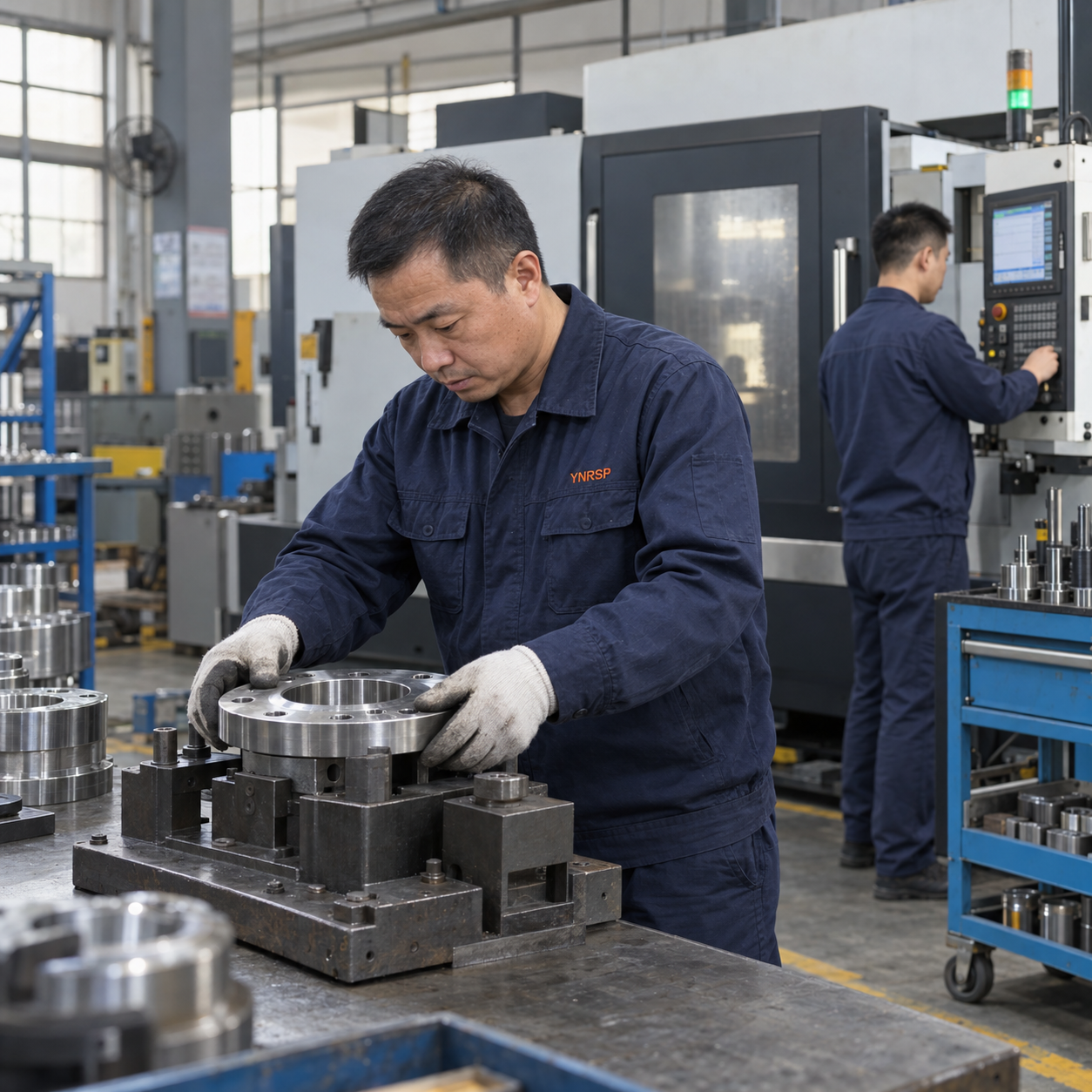
Organized YNRSP construction machinery parts workshop in Luoyang
Since 2014Focused on construction machinery parts
Company and capability

People, product context and practical follow-through.

YNRSP is the overseas brand used by Luoyang Reliable Machinery Parts Co., Ltd. for construction machinery aftermarket replacement parts.

Workshop, engineering, production, quality, warehousing and customer-facing teams work from the same requirement: the part information the customer can provide.

Product-ledSystems, types and reference context stay connected.
Work-basedMeasurement, inspection, packing and technical discussion are visible parts of the process.
RFQ-readyProduct and source-page context can travel with the inquiry.
Clear fallbackPhotos, machine details or a short description can start an identification request.
Parts identification

No part number? Start with what you can see.

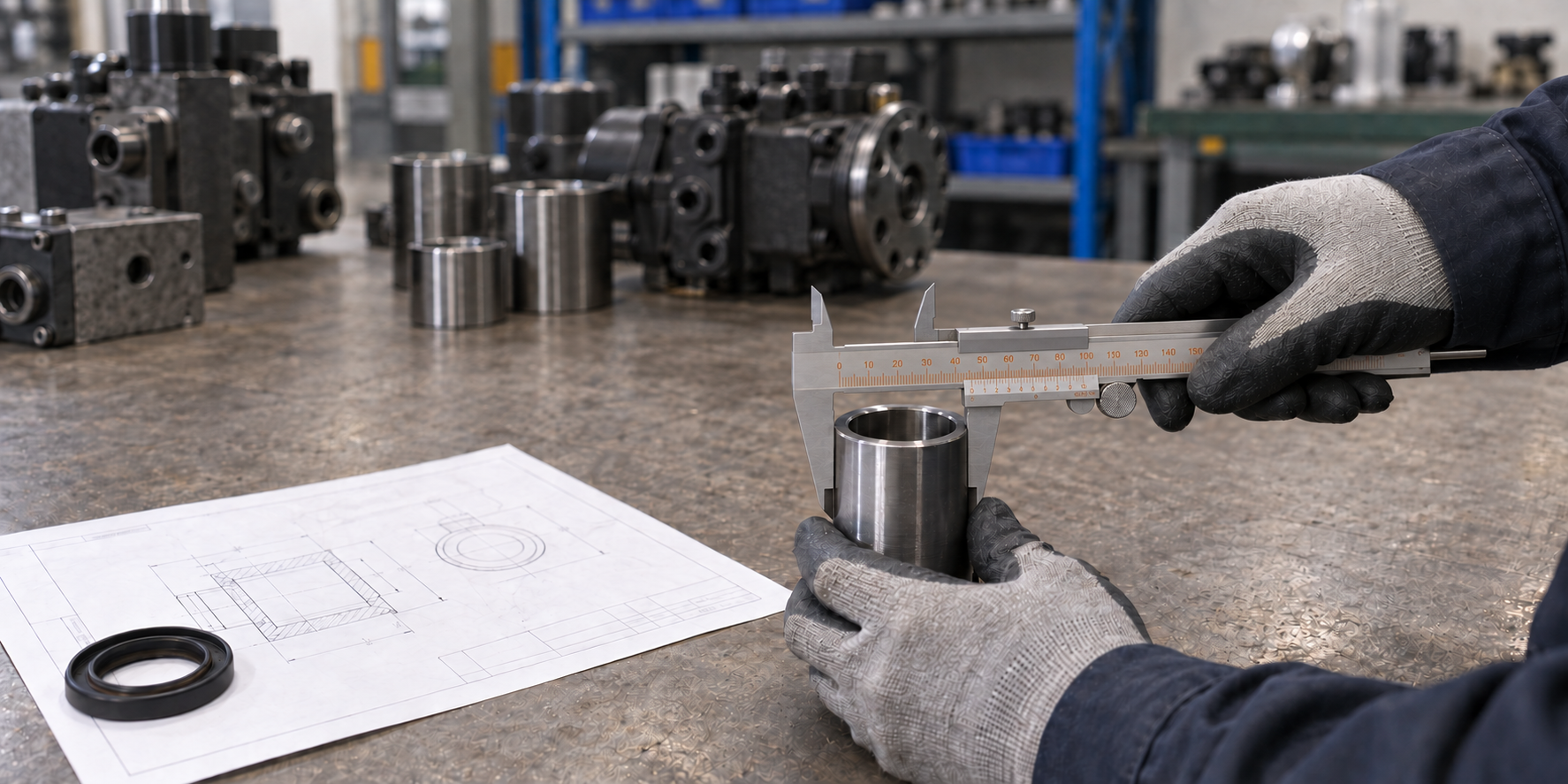
A clear photo, equipment model, installation position or a few measurements may provide the context needed to narrow the match.
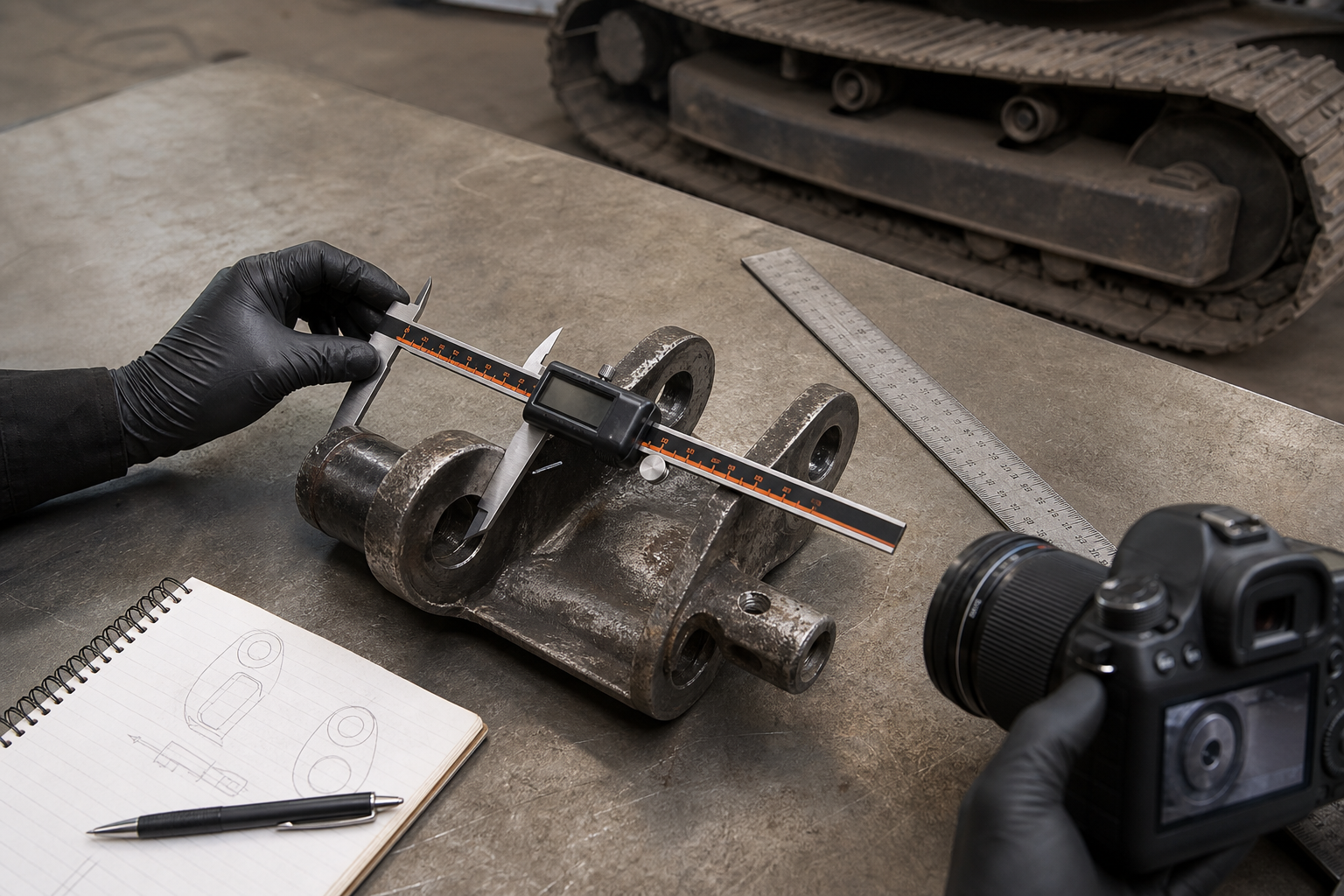
  • Photograph the complete part and key connection points
  • Include any visible stamping, tag or customer reference
  • Share machine or engine information when available
Technician measuring a machinery part for identification
A practical RFQ path

From part context to a focused inquiry

Catalog context is carried forward so you can add only what is still missing.

Find or describe

Search by product name, reference, system or equipment detail—or begin with a photo.

Confirm the context

Use the catalog system and product type to confirm the right inquiry path.

Send the RFQ

Add contact details and any optional quantity, model, drawing or parts list information.
Insights for purchasing teams

Prepare better part information

Explore all insights
Machinery part identification using photos and measurements
Parts Identification

How to identify a part without a part number

A field-ready checklist for photos, dimensions and equipment context.

Read guide
Parts list and product reference prepared for an RFQ
RFQ Preparation

What to include in a machinery parts RFQ

Send the essentials first and add technical details only when available.

Read guide
Technical guide for construction machinery parts selection
Selection Guides

Using system and product type to narrow a catalog

Understand the hierarchy from machine system to the individual item.

Read guide
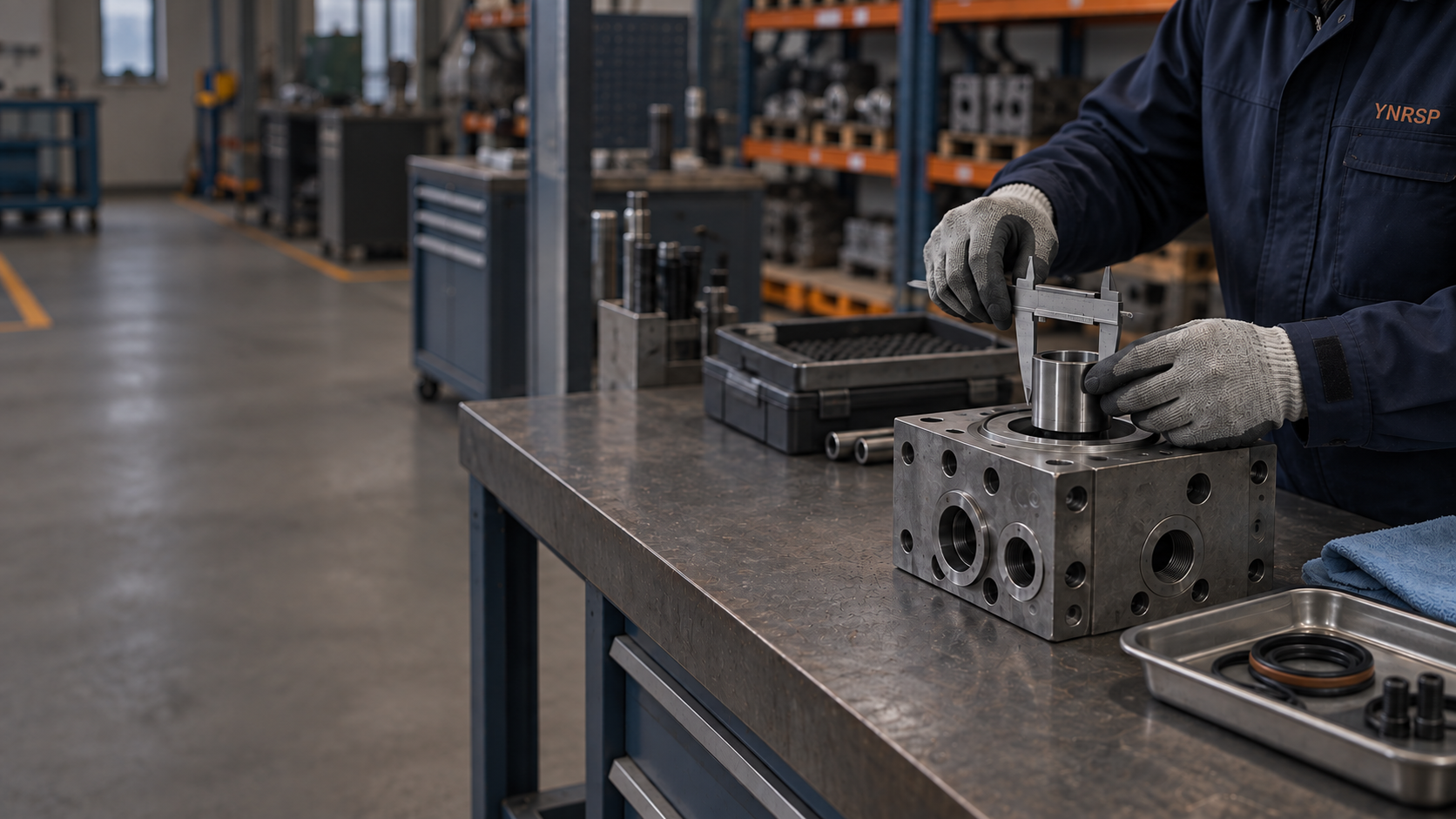
Dimensional inspection of a construction machinery part
Quality workflowPart context stays connected to inspection and records.
Quality and management references

Visible controls make a technical inquiry easier to review.

Product identification, measurement and document context are organized around the customer requirement. Documentation needs can be discussed against the identified part and inquiry context.

Requirement Review

Product, reference and requested checks are aligned before technical follow-up.

Dimensional Verification

Critical dimensions can be reviewed against the identified item context.

Reference Traceability

Customer-supplied identifiers remain attached to the product discussion.

Inspection Records

Available inspection and documentation needs are confirmed through the RFQ.

Ready when you are

Send the part information you already have.

A reference, photo, equipment model or short description is enough to start the conversation.

Request a Quote
Request a Quote